
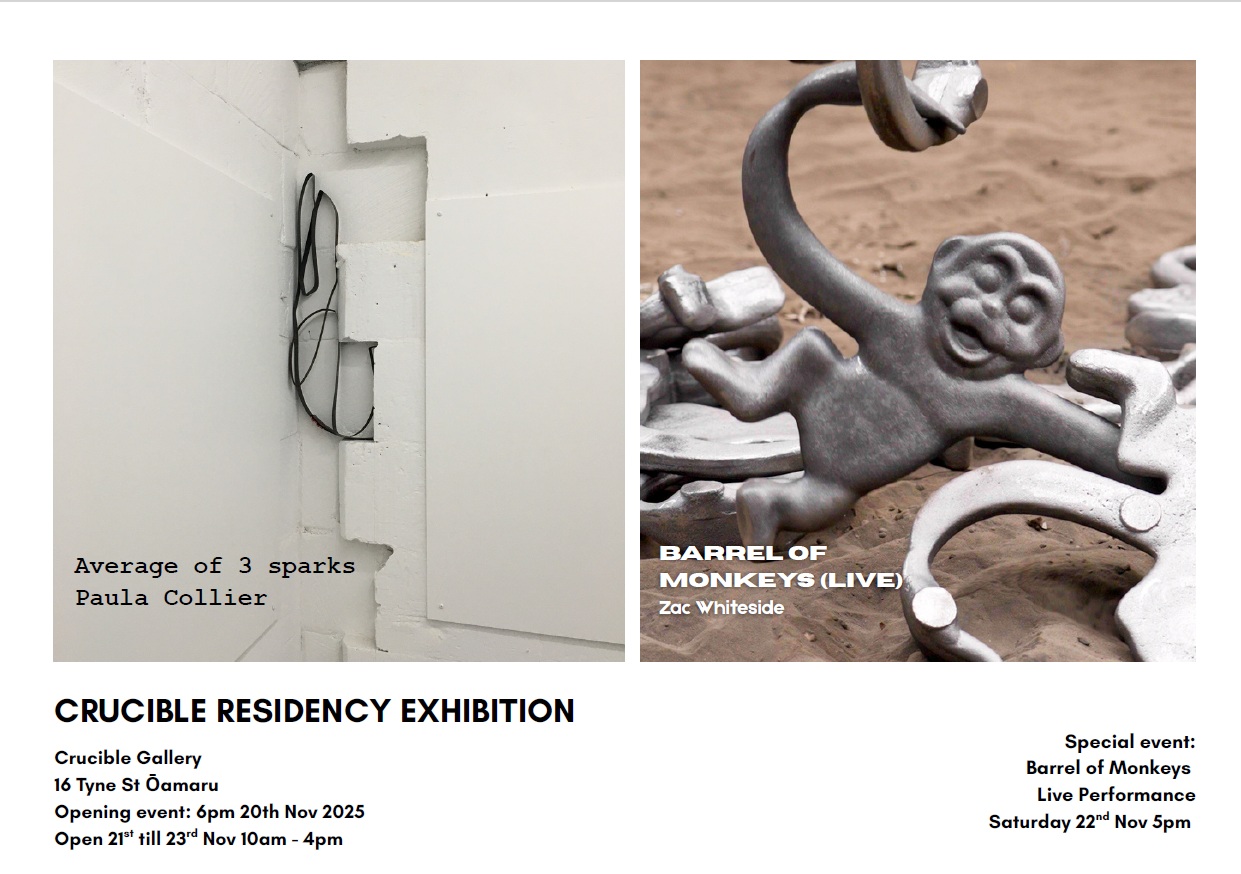
Distinctive exhibitions were created in the third Crucible Artist Residency by artists Zac Whiteside and Paula Collier
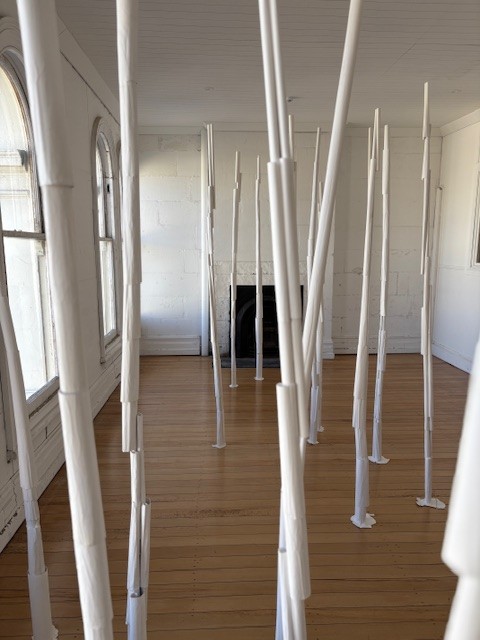
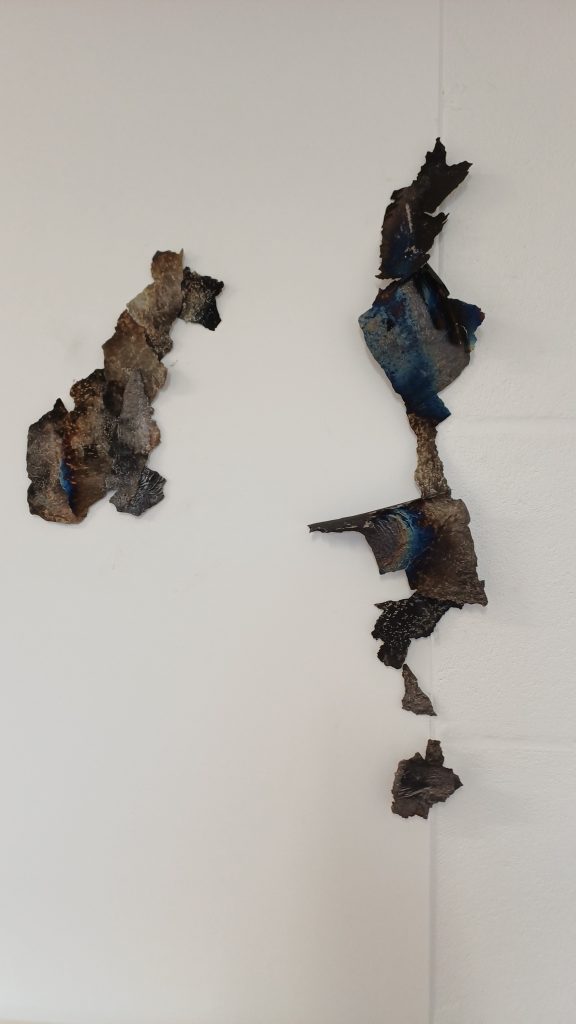
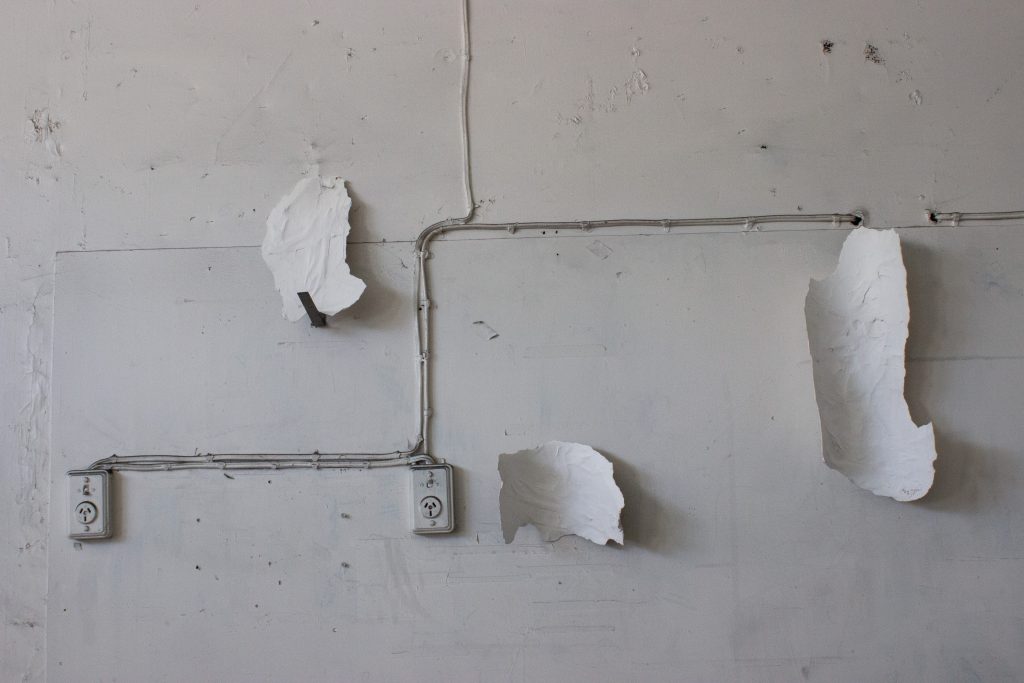
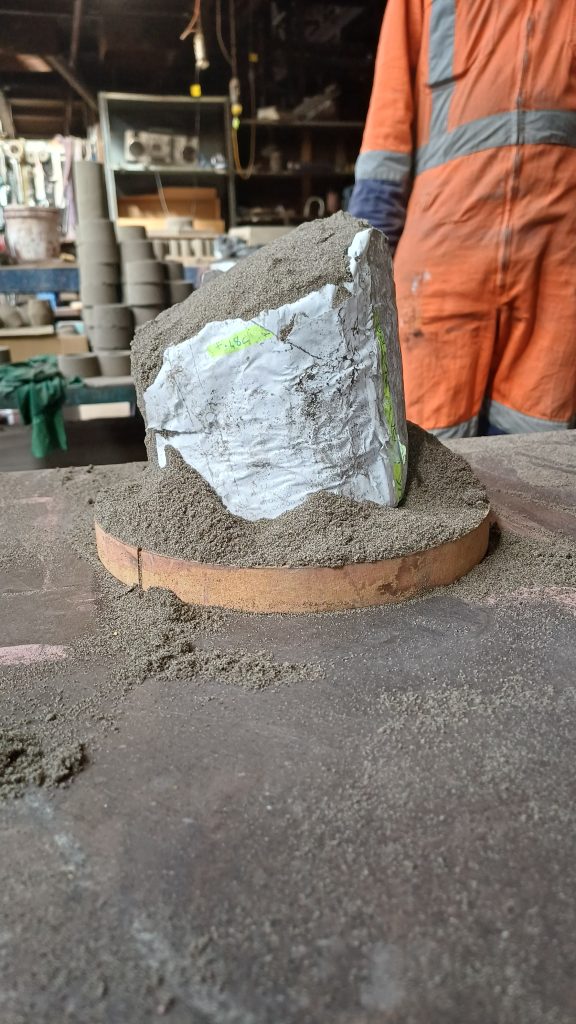
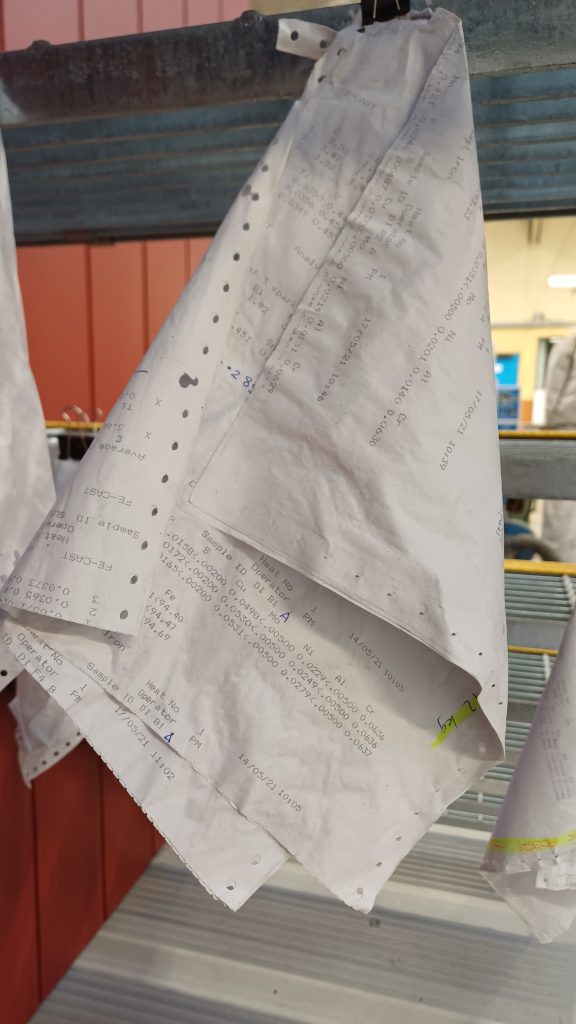
Exhibition Statement: Paula Collier – Average of 3 sparks
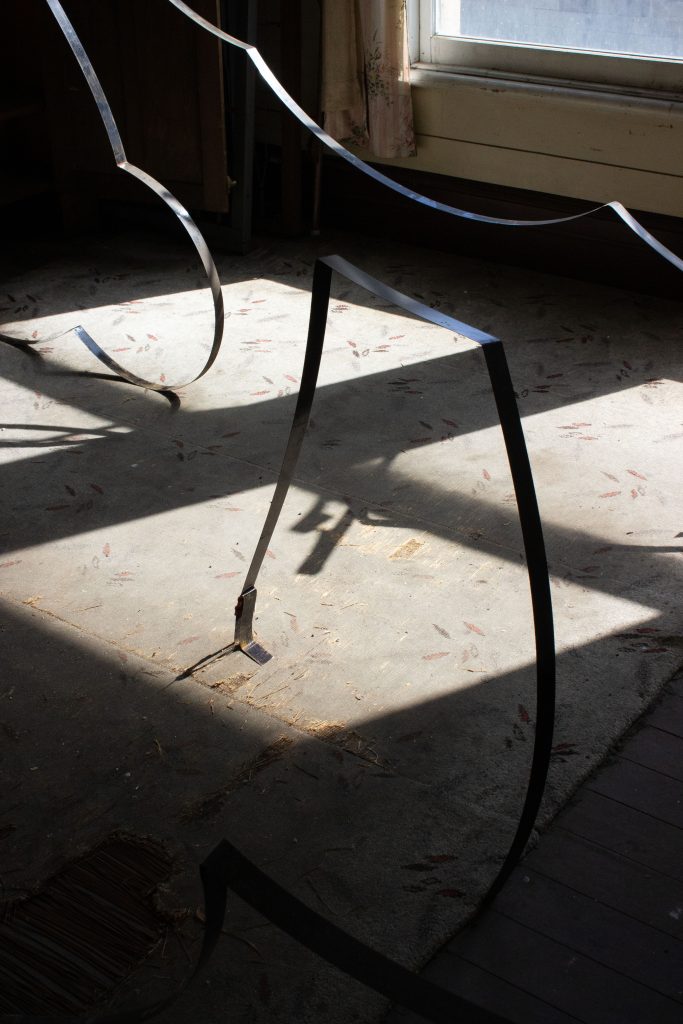
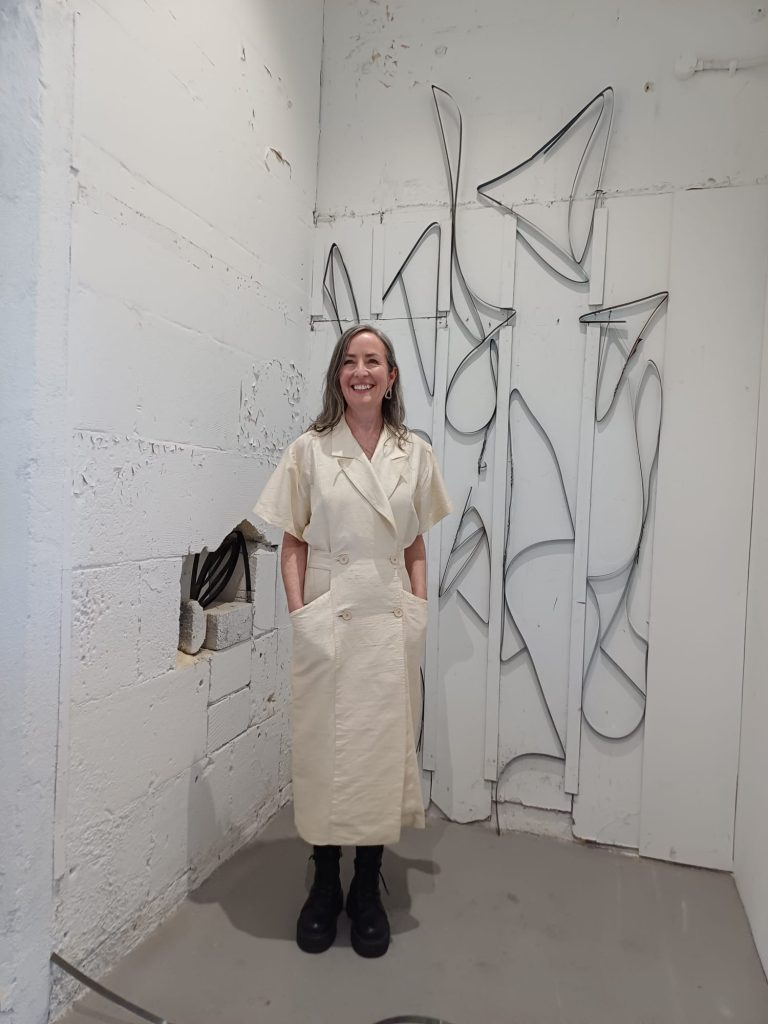
A series of site responsive sculptural works utilising found materials located in the Gillies Foundry, created during the Crucible Artist Residency in Ōamaru.
The connection between industry and art is a political one. There has been attempts at different times in history to seperate art as an elitist enterprise, but what is the difference between an artist and someone who has an attuned skill and connection to a material and process?
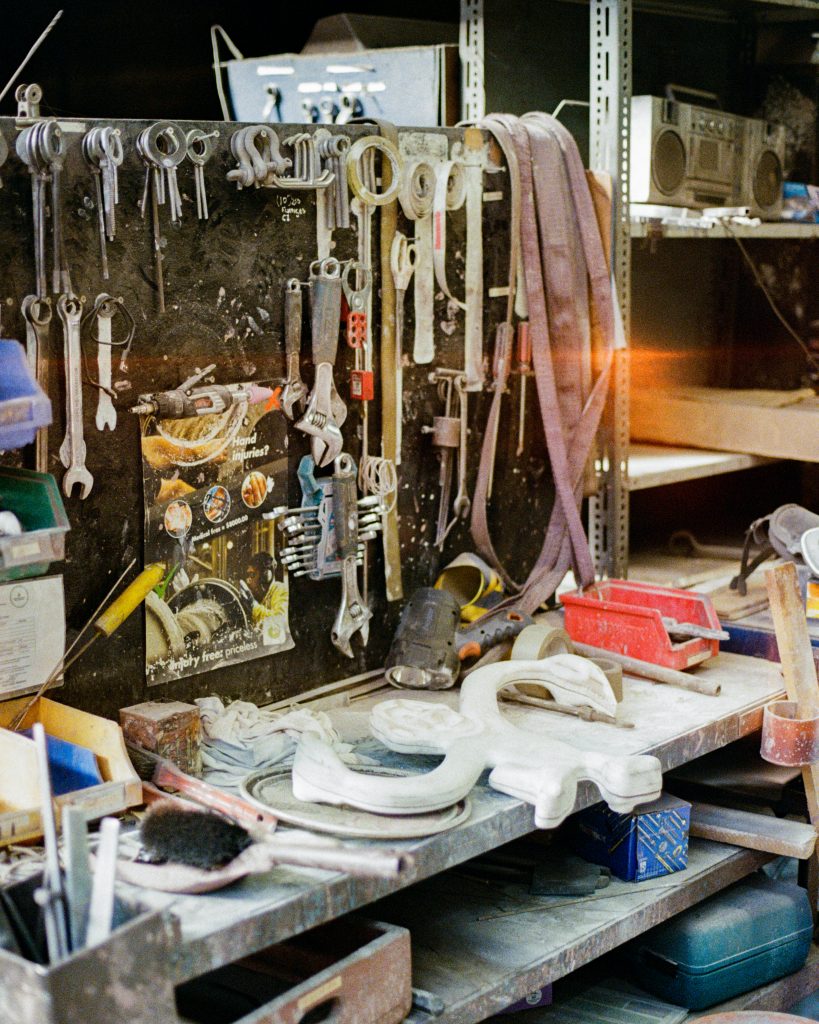
‘Average of 3 sparks’ refers to the electric testing method used to measure the ratio of chemical elements that make up the molten metal for casting. Now a computer aided process, it represents the shifting technological knowledge adopted over the last few decades of an ancient and essentially unchanged process.
Occupying an abandoned building near the foundry, this series of work explores the materiality of manufacture – the large volume of peripheral material connected to but not directly utilised in the casting process. Gathered and relocated to find the points of connection between the rooms that once housed foundry workers and the materials brought into the space from the foundry itself, the sculptures weave themselves into to the cultural and industrial history of the site.
About Paula
Paula Collier is a visual artist based in Te Whanganui-a-Tara, who works in the sculptural field. Her work is guided by the connection between the intangible qualities and practical realities of found materials and architectural sites. The concept of latency within material memory, and recognition of the ongoing life cycles and active invisibility of spaces and materials is at the centre of her practice.
Collier studied sculpture at Elam University, graduating in 1997, and in 2024 completed a Master of Fine Arts at Massey University with first class honours. Her recent exhibitions are To be sure, we are speaking, Engine Room Gallery, A series of actions and observations (old Wellington Working Mens Club site, 2024) and Diurnal Aspect at play_station gallery, 2025.
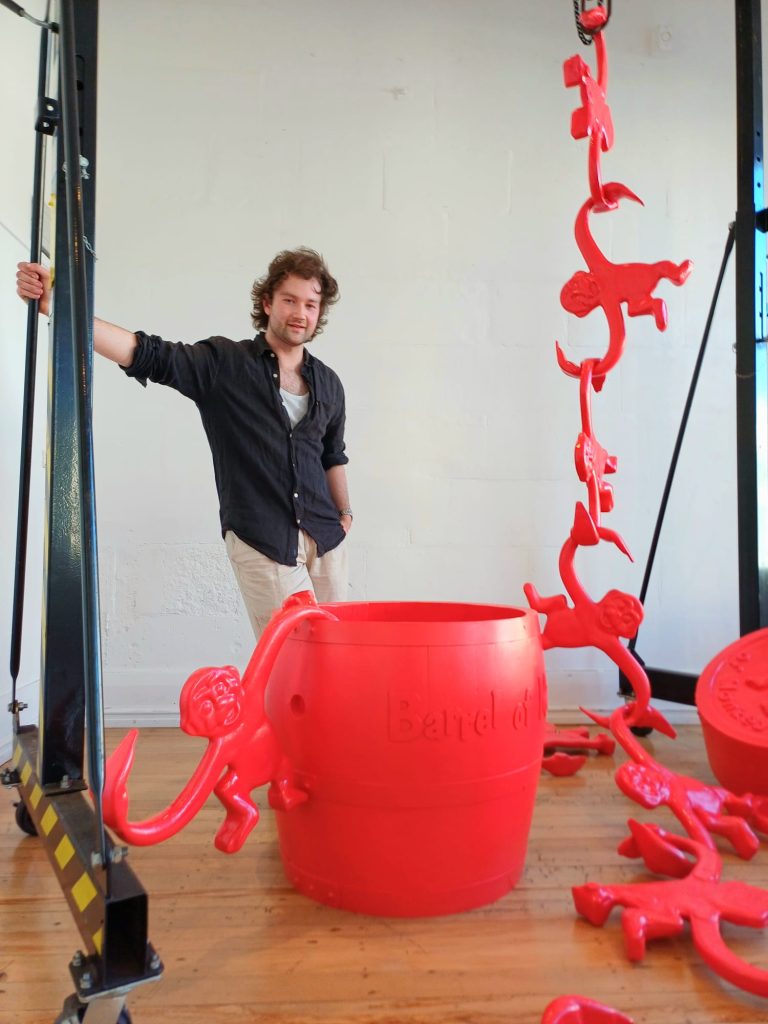
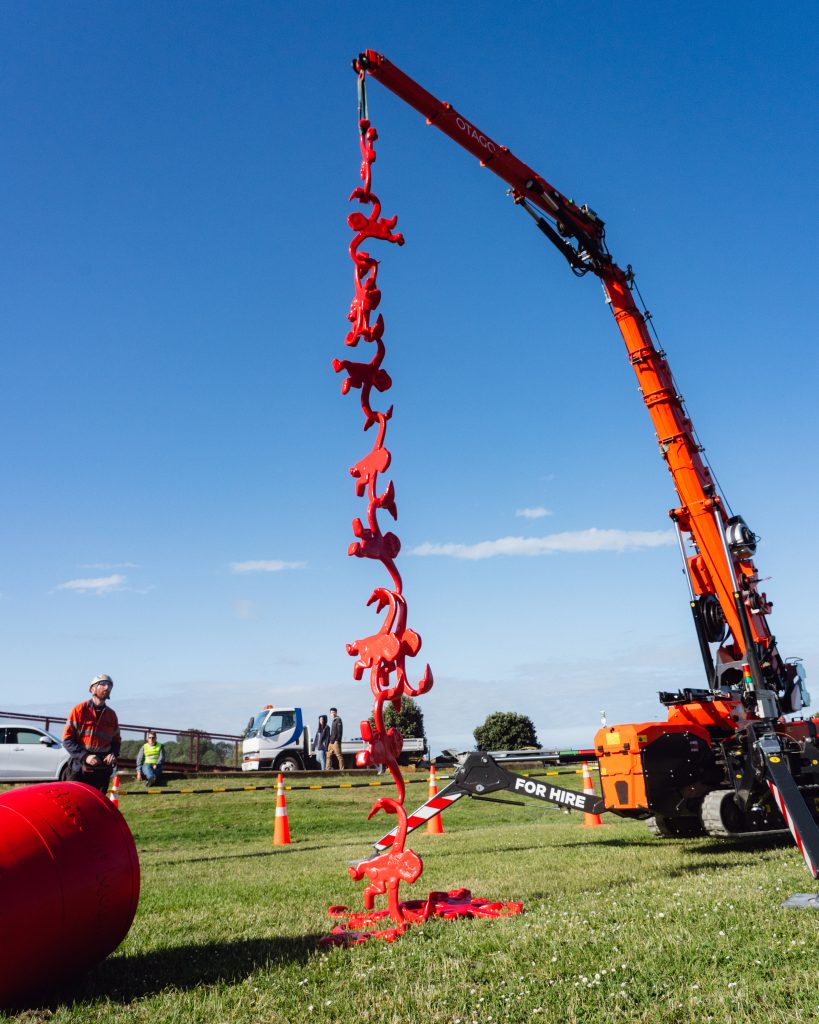
Exhibition Statement: Zac Whiteside – Barrel of Monkeys
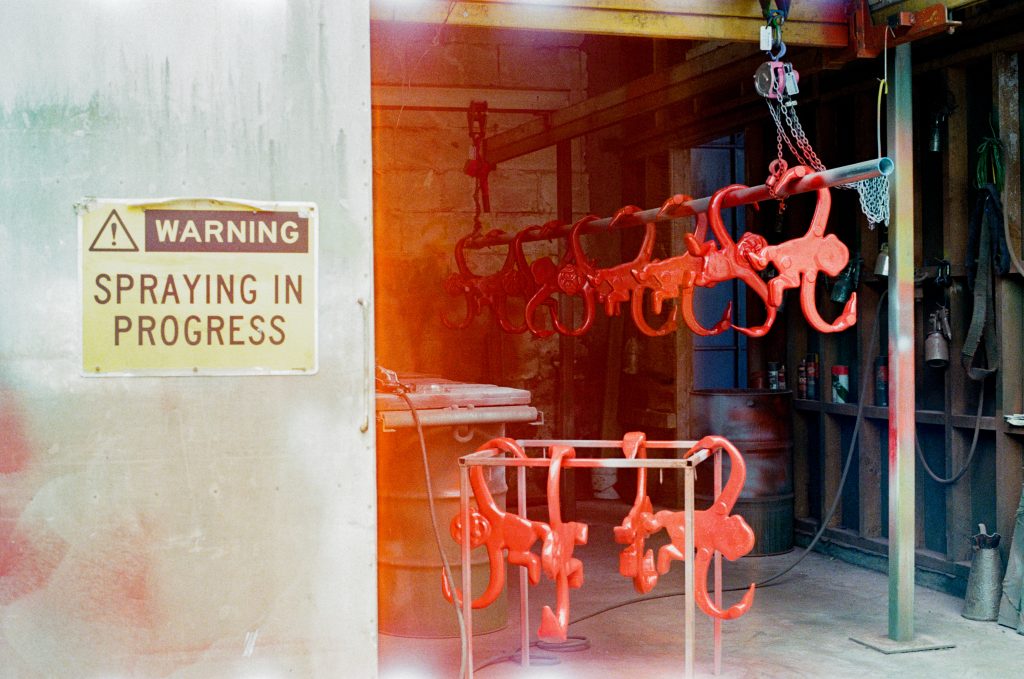
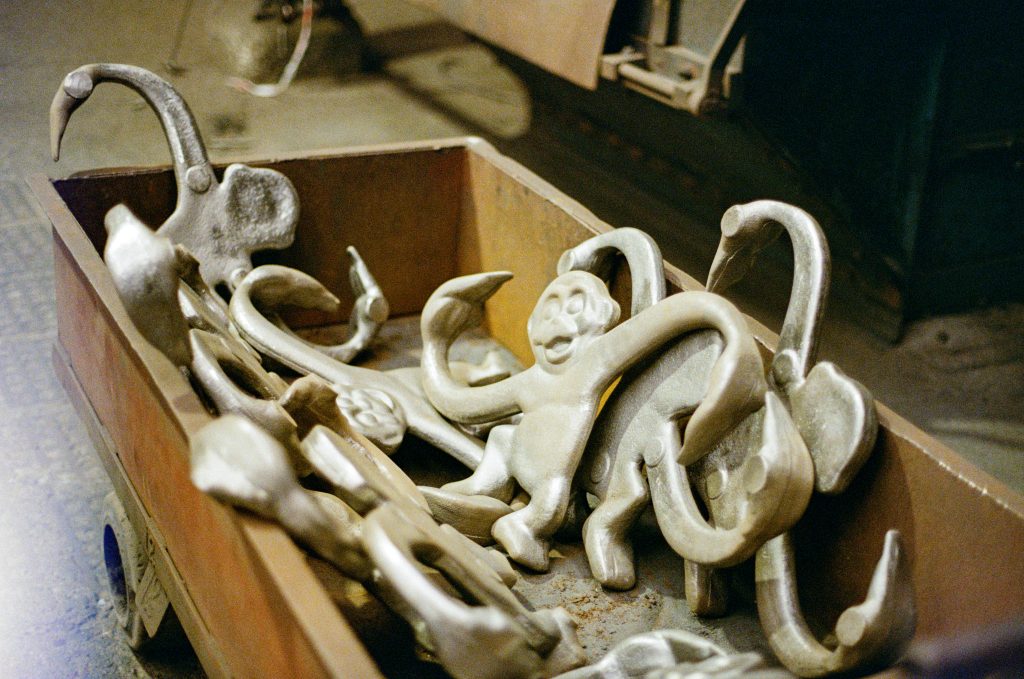
Zac Whiteside’s ‘Barrel of Monkeys‘ recreates the familiar childhood game on an industrial scale. Developed during his Crucible Residency in Ōamaru, Zac made a set of giant cast-iron monkeys, along with a life-scale replica of the original barrel to house them. On 22 November 2025 at 5pm in Ōamaru, Whiteside piloted the game in a live public performance with the support of a spider crane, attempting to link the iron monkeys together one by one.
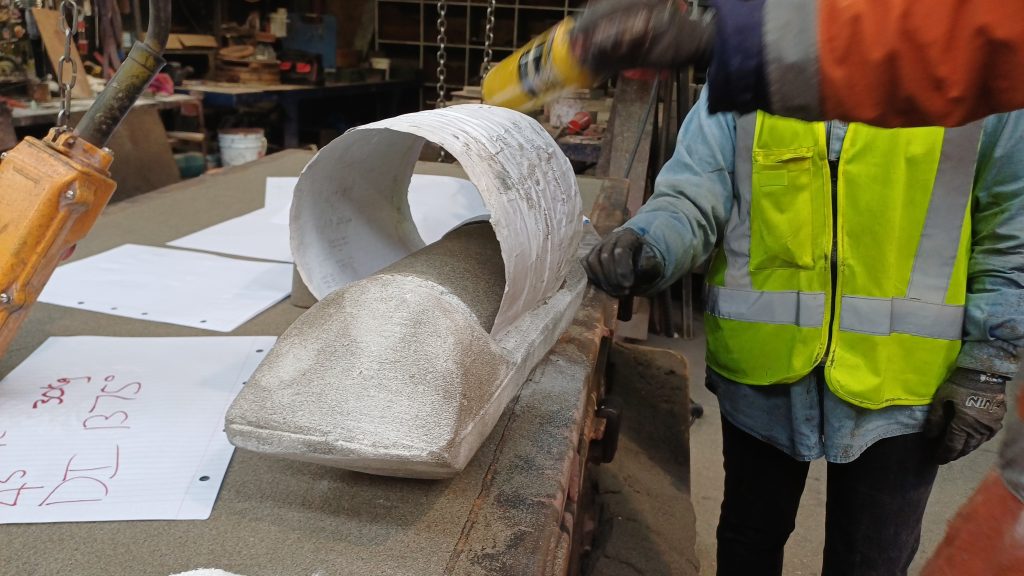
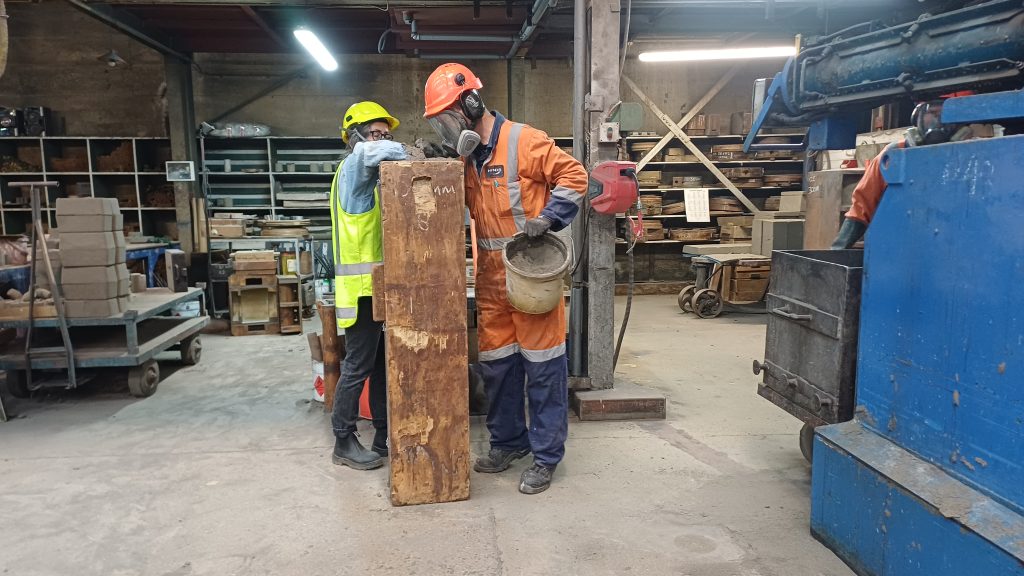
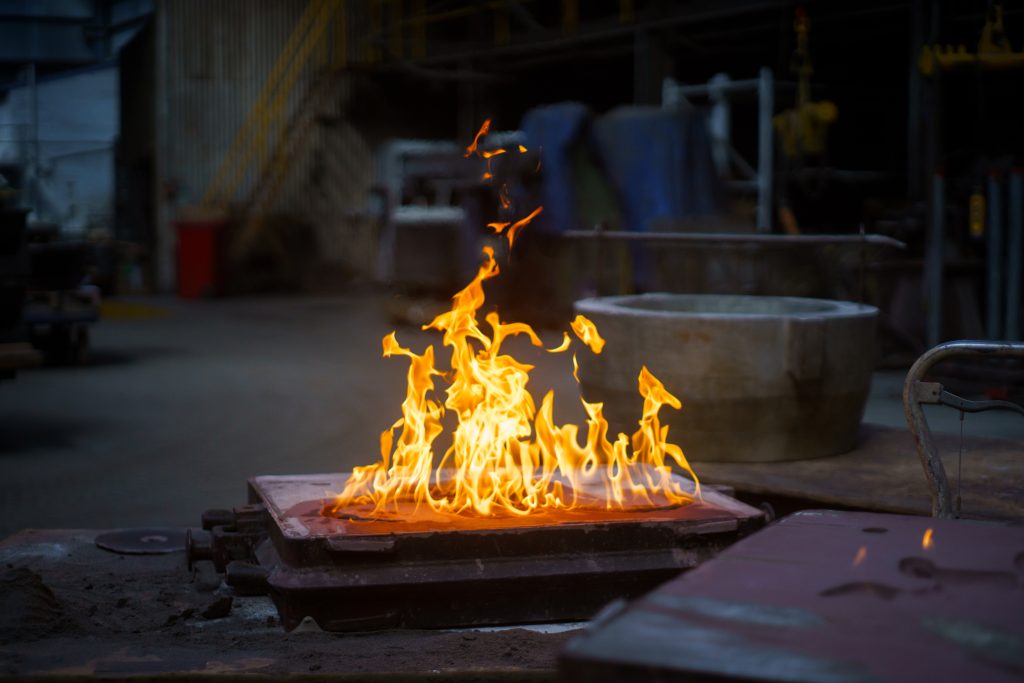
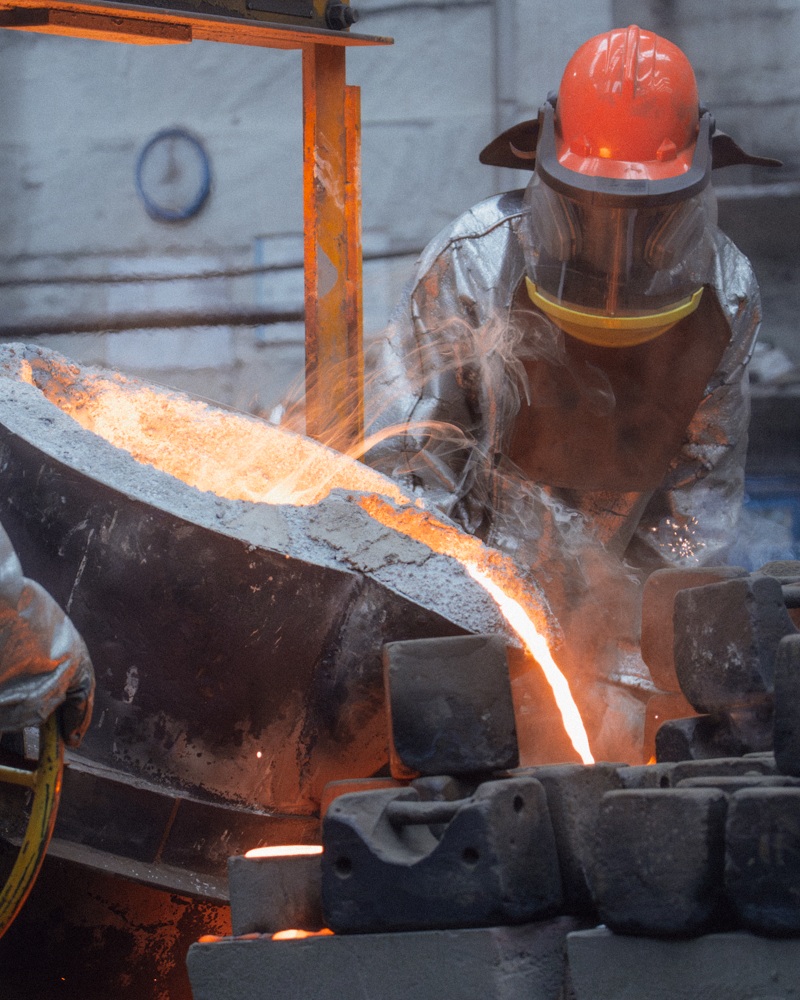
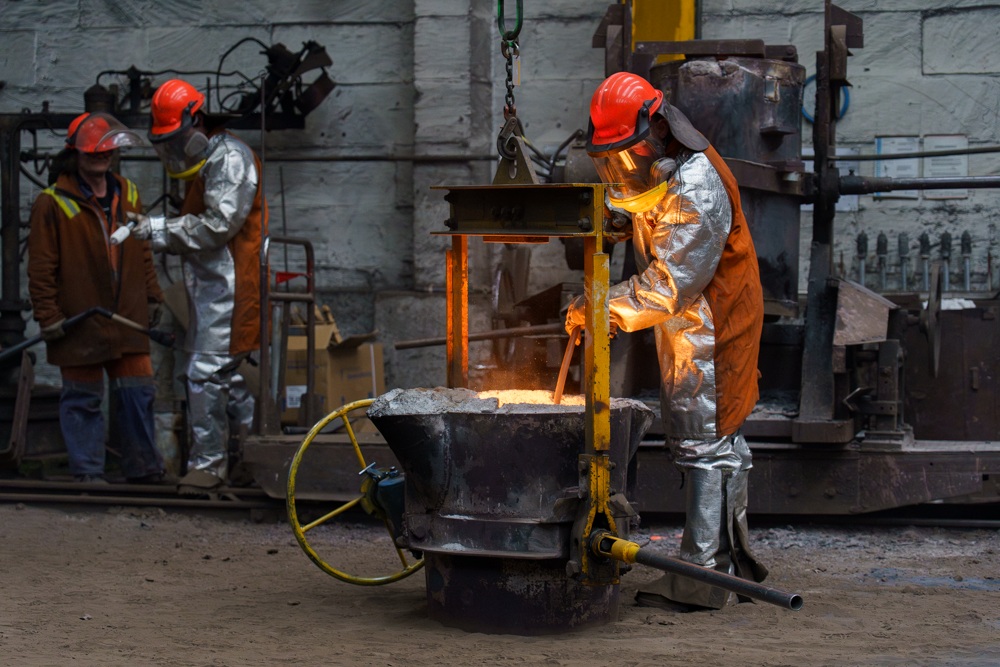
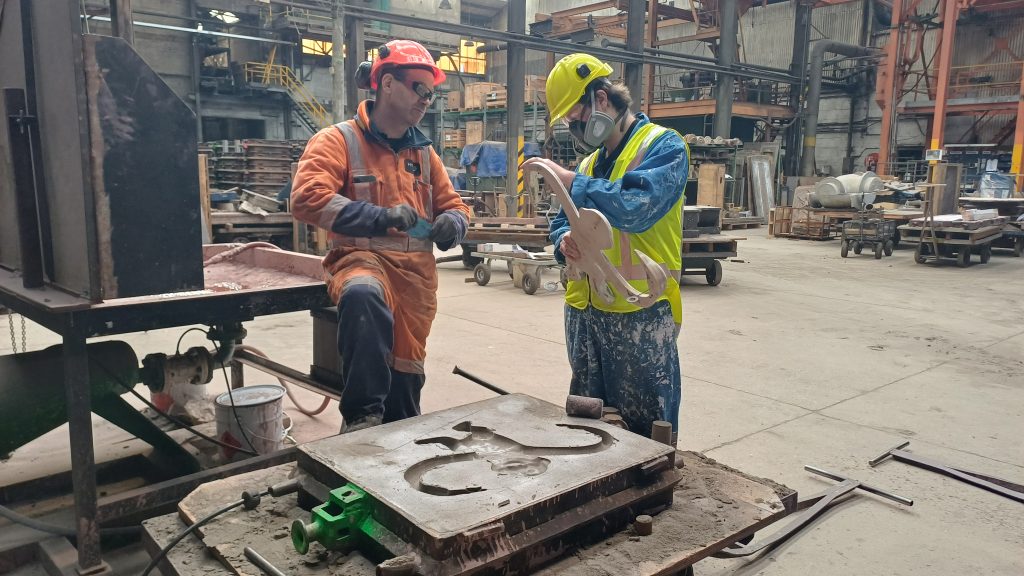
The works were cast on site using traditional sand-casting processes, and their production involved approximately seven cranes across moulding, pouring, and finishing. In their enlarged iron form, the monkeys operate as functional S-hooks, shifting the mechanics of the game into the language of industrial equipment and labour.
Although the idiom “a barrel of monkeys” suggests chaos, the original game is slow and methodical. Whiteside’s version pushes the phrase back toward its intended energy — introducing weight, machinery, and the real possibility of failure. What was once a table-top toy becomes a public-facing industrial task.
About Zac
Zac Whiteside is an Ōtepoti-based artist, working across sculpture, performance, and installation. His practice draws on humour, material contradiction, and visual metaphor to explore labour, masculinity, and the rituals of contemporary life.
He graduated with First Class Honours from Dunedin School of Art in 2023 and has recently completed a Certificate in Māori and Indigenous Arts at Te Wānanga o Aotearoa. Zac is the co-director and curator of Pond Gallery, an artist-run space supporting early-career artists.
He has recently exhibited in Through the Fray at Blue Oyster Art Project Space and Piss at Pond Gallery, a group exhibition he also curated. In these exhibitions, Zac explored drinking culture, inherited behaviours, and the performance of identity, using an array of different materials, including steel wool, bronze, Bottle glass from Castle Street, Rimu, and even a foosball table.